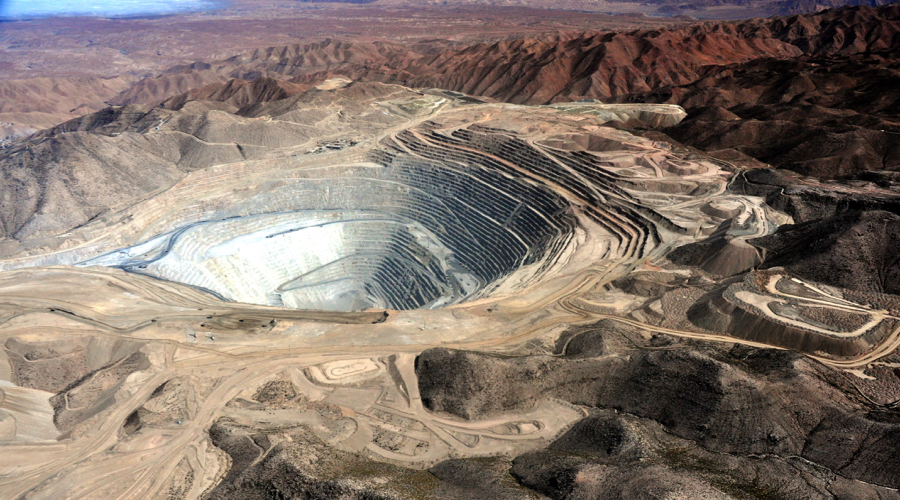
The global copper market is entering a new era defined by soaring demand and increasing supply pressure. As the world races toward electrification, with electric vehicles (EVs), renewable energy grids, and urban infrastructure upgrades driving consumption, the two most critical suppliers of copper—Chile and Peru—are under the spotlight. Together, these nations account for nearly 40% of the world’s copper production. However, questions are mounting: can they meet the surging demand? Or are structural, political, and geological headwinds setting the stage for a severe supply crunch?
In Chile, long the world’s leading copper producer, the outlook appears mixed. The Chilean Copper Commission (Cochilco) forecasts production growth through 2027, with output potentially peaking at six million tonnes. This is being driven by expansions like Teck Resources’ Quebrada Blanca Phase 2 and ongoing optimization at large-scale mines. However, after this short-term rise, a decline looms. Aging mines, lower ore grades, and the dearth of major greenfield discoveries mean that Chile’s long-term production may falter without significant new investment. Political uncertainty surrounding tax regimes and environmental regulations further clouds investor sentiment, even as the country tries to assure stakeholders of stability and public-private cooperation.
Peru, ranked second globally in copper output, presents both immense opportunity and persistent hurdles. The country holds vast untapped copper reserves and is actively promoting major projects like Tia Maria, Zafranal, and Las Chancas. According to industry experts, these and other projects could double Peru’s copper output by 2037, allowing it to rival or surpass Chile. Yet, progress is slow. Social unrest, bureaucratic bottlenecks, and delays in environmental permitting have consistently stalled exploration and development.
Junior mining companies in Peru are playing a pivotal role in advancing copper exploration. Firms like Chakana Copper, Element 29 Resources, and Hannan Metals are aggressively pursuing porphyry and breccia systems, using advanced geoscience tools such as hyperspectral core scanning to refine their targets. Chakana, for instance, is testing its Mega Gold porphyry target, considered a potential tier-one asset that could attract majors like Goldfields. Element 29’s Elida project already boasts an inferred resource of over 320 million tonnes and is targeting a clean, low-arsenic copper concentrate that can command a market premium.
However, exploration success is not enough. Turning discoveries into producing mines requires capital, infrastructure, and social license. In Peru, local opposition, driven by distrust and unmet expectations, remains a key challenge. While companies have ramped up community engagement, including hiring and training local labor, the broader perception of mining as extractive rather than developmental must be addressed. Government initiatives such as the “Ventanilla Única” (Single Window) aim to streamline permitting by consolidating approval processes across 10 agencies, but implementation remains uneven.
Meanwhile, global copper demand is expected to double by 2035, according to estimates from S&P Global and BHP. Electrification of transportation, expansion of data centers, and the rollout of smart grids are all copper-intensive endeavors. One expert noted that copper is essential for “all forms of electrification,” and the biggest wave of demand could come from developing countries gaining access to reliable power for the first time. However, the copper supply pipeline is thin. Many of the world’s major copper mines are over a century old, and permitting a new one can take up to 25 years. The recent closure of a major copper mine in Panama has only added to the urgency.
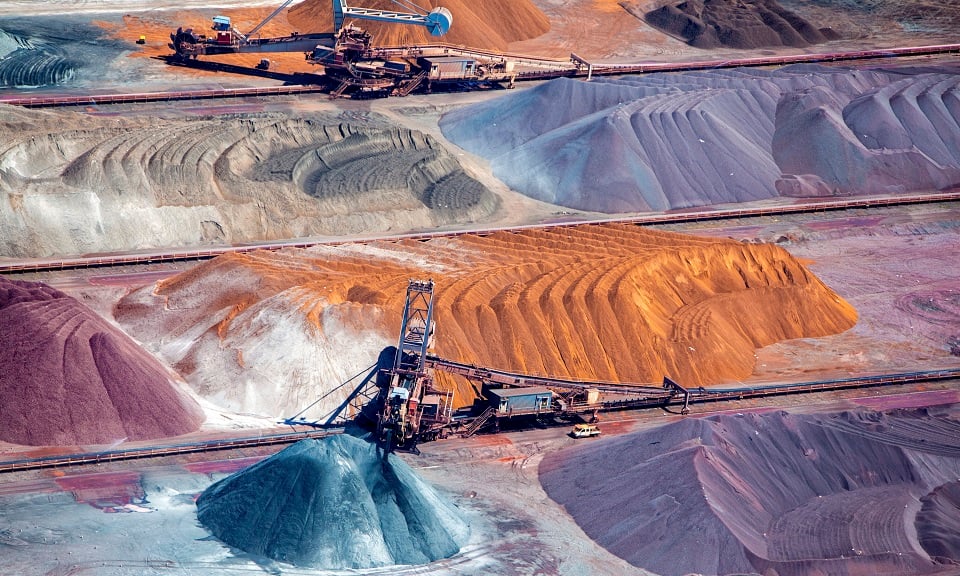
Compounding the problem is the current shortage of copper concentrate. Chinese smelters recently secured deals with Chilean producers at processing fees nearing zero—a sign of just how tight the market has become. For miners, this presents a paradox: prices are rising, but costs are increasing too, and competition for quality concentrate is fierce. Companies able to produce clean, high-grade concentrates—like Element 29 aims to do—are well-positioned.
Chile holds an advantage in infrastructure, skilled labor, and the development of green energy sources to power its mines. The Atacama Desert offers world-class solar potential, while Patagonia’s wind energy could make mining operations more sustainable and cost-effective. Peru, for its part, has strategic assets like the Chancay Mega Port, which can enhance export routes to Asia. Yet, both countries must tackle aging mine assets and the complexities of expanding operations in regions with heightened socio-environmental sensitivity.
The global investment community is watching closely. Junior miners with de-risked assets, strong community ties, and clean metallurgy are attracting capital. Simultaneously, there is renewed interest in porphyry systems due to their scale and long life. Porphyry clusters—like those pursued by Hannan Metals in Peru—can be game-changers for companies and the broader supply chain.
What’s clear is that the copper industry faces a historic inflection point. The metal is foundational to the green transition, but the pathway to securing sufficient supply is fraught with risk. Chile and Peru, despite their challenges, remain central to the solution. Success will depend on regulatory reform, strategic exploration, ESG leadership, and infrastructure investment.
Investors with a long-term view and appetite for calculated risk may find significant opportunity in the region. The key will be identifying which companies are not only finding the next big copper deposit but are also equipped to bring it to market—efficiently, responsibly, and with community support. In the race to meet global copper demand, the Andes still hold the prize—but winning it won’t be easy.